


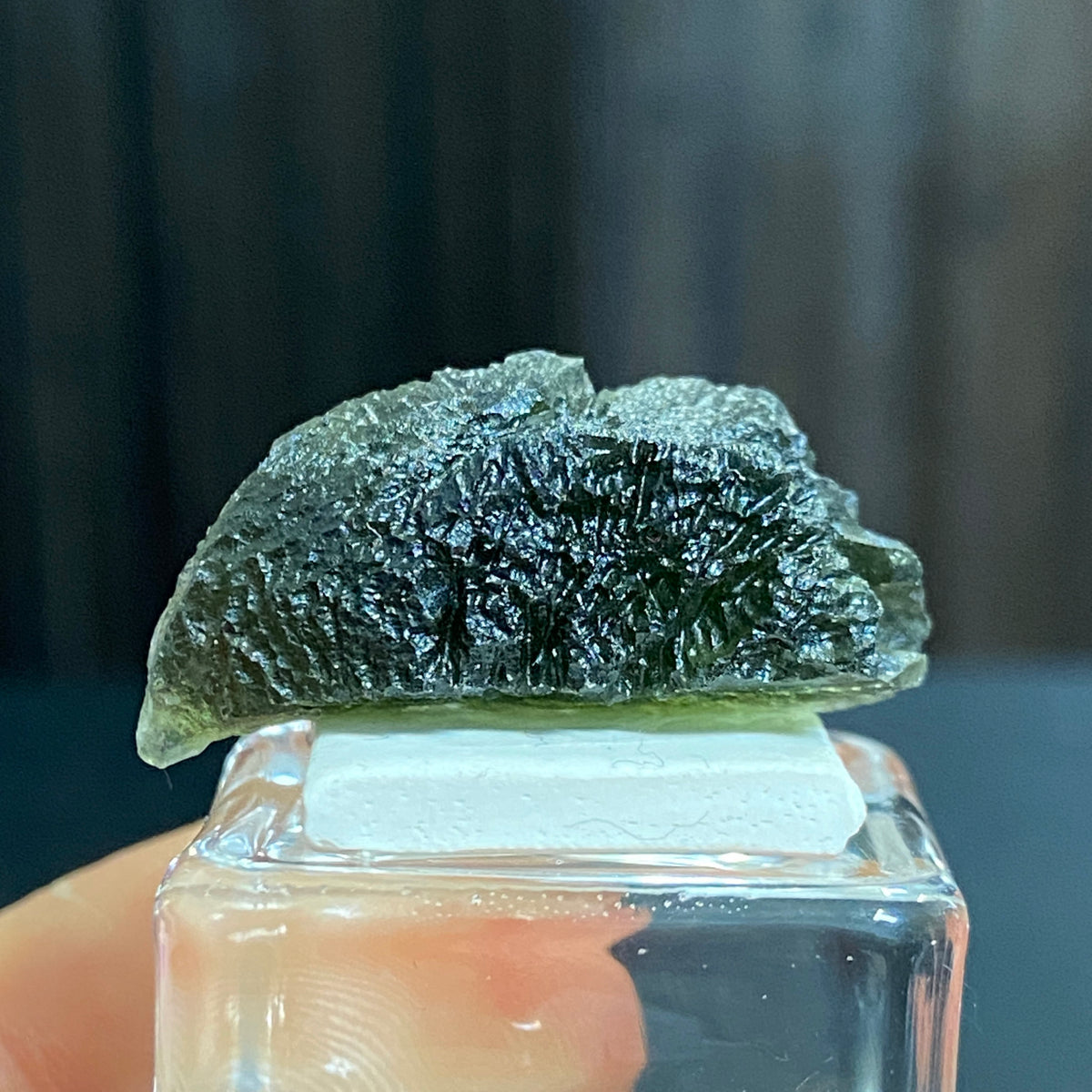
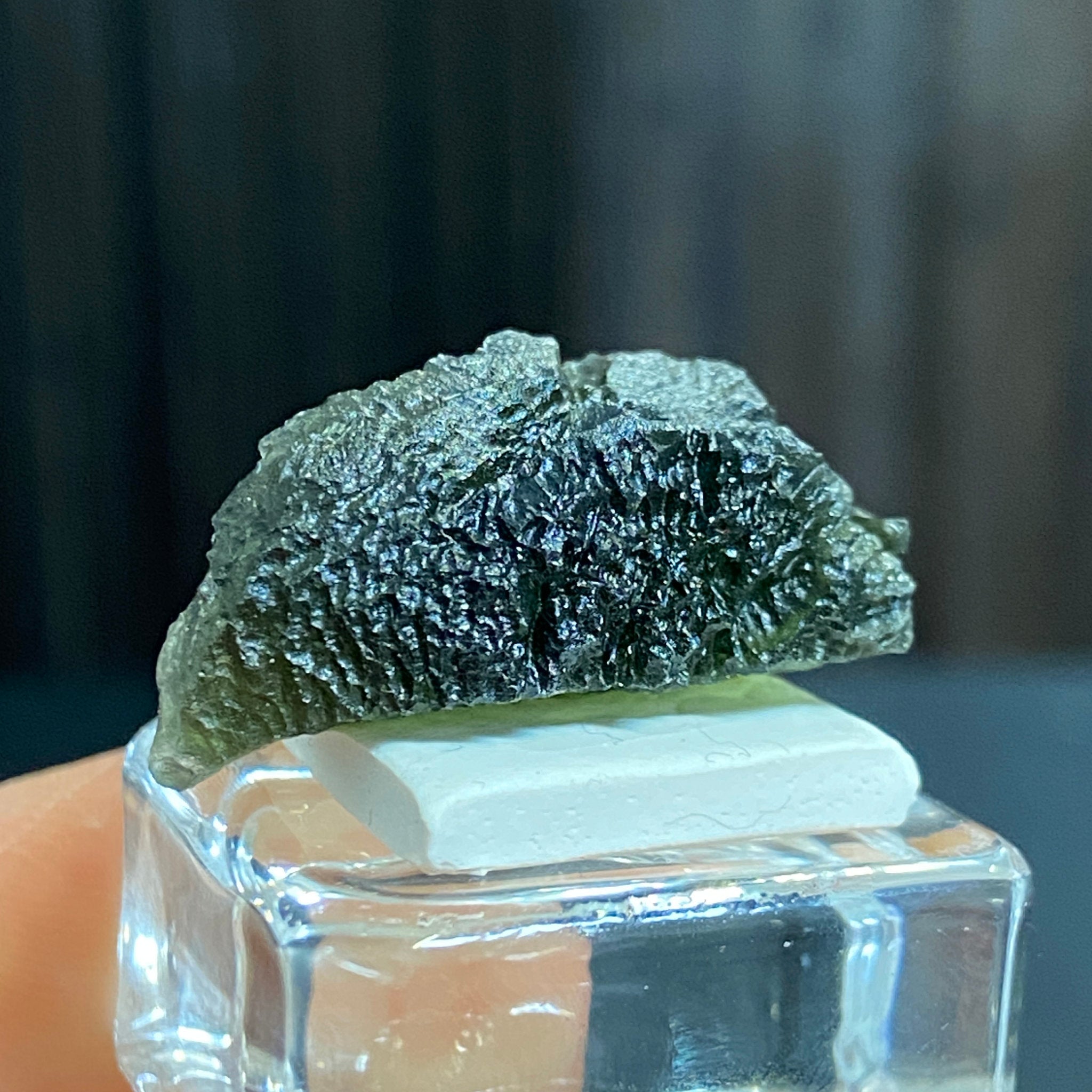
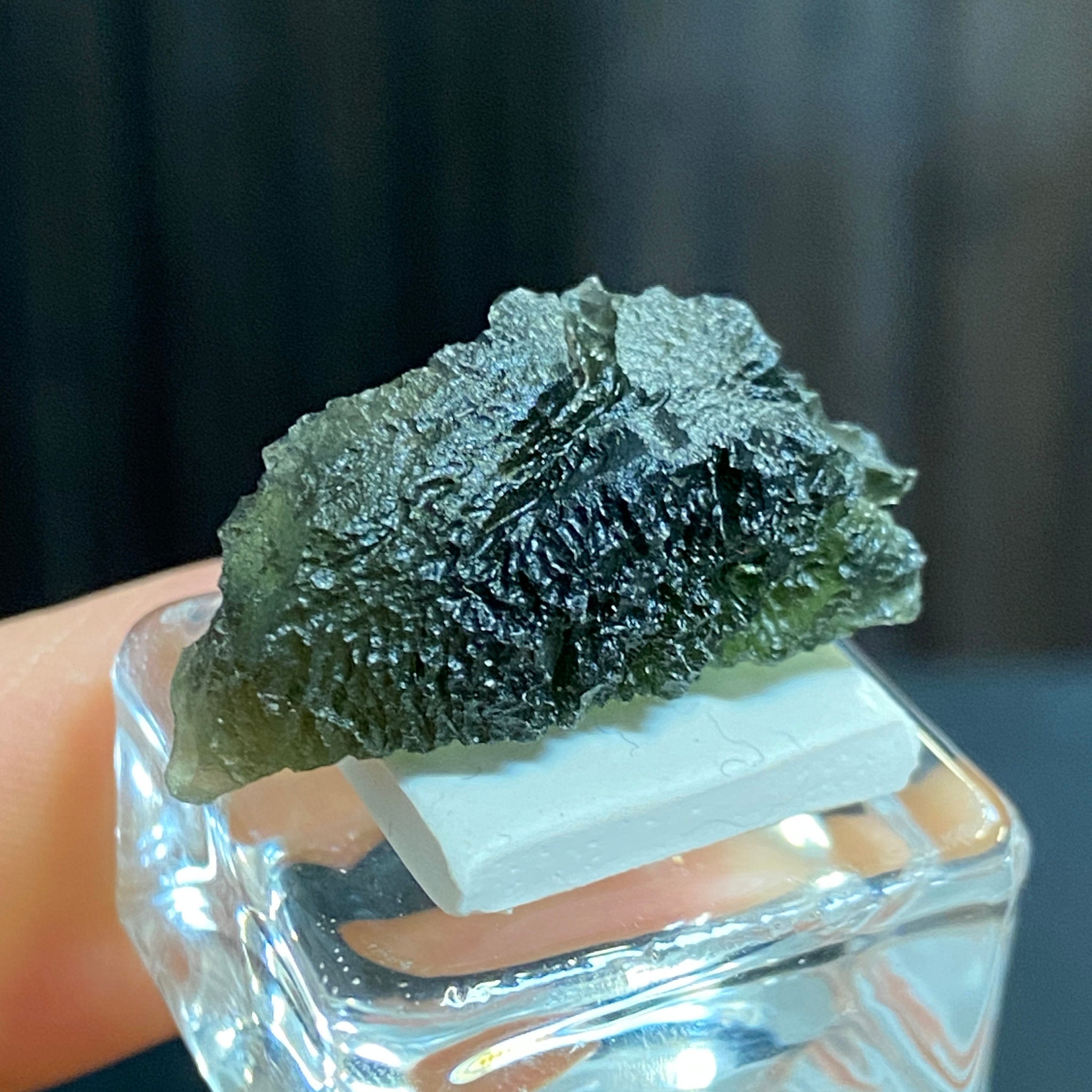
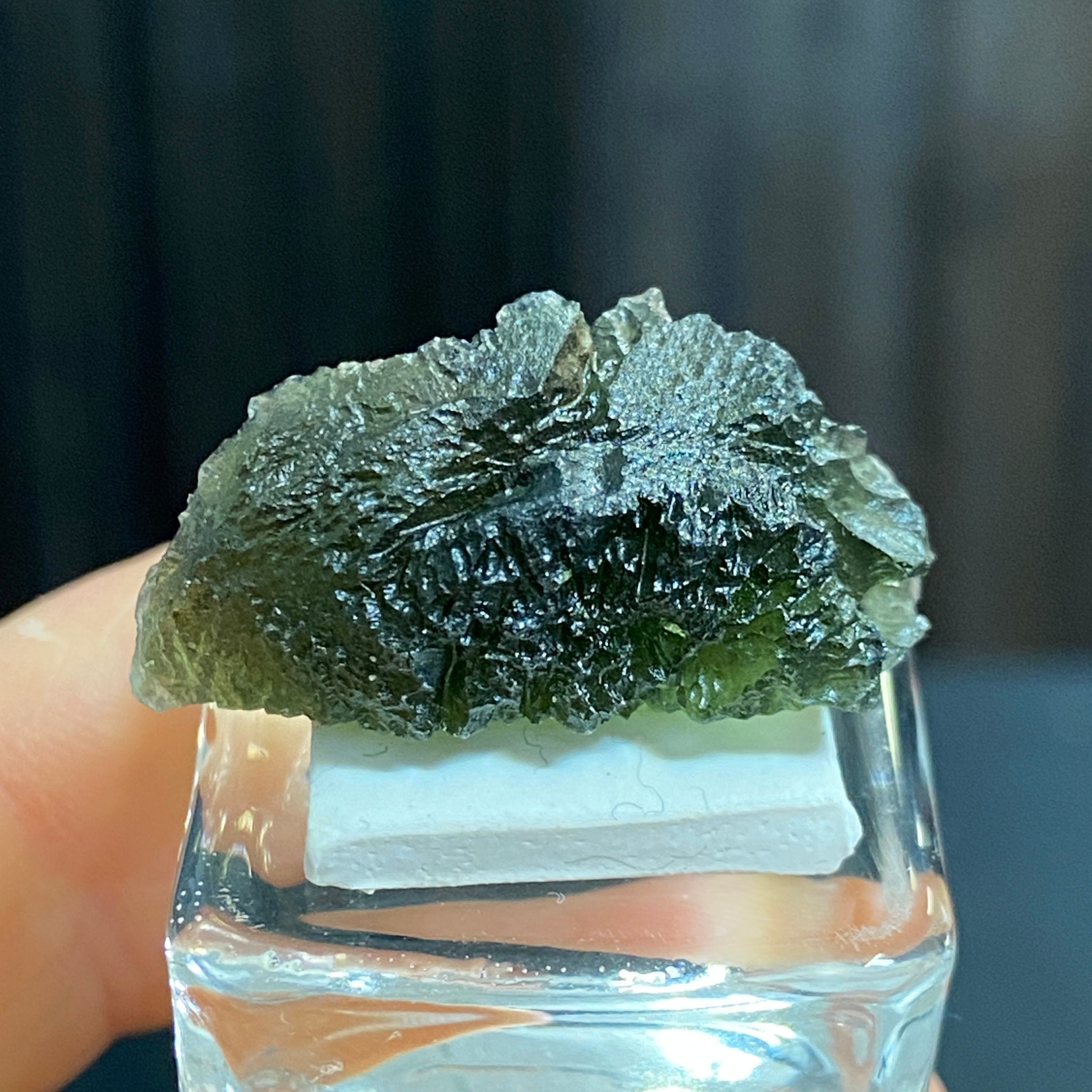
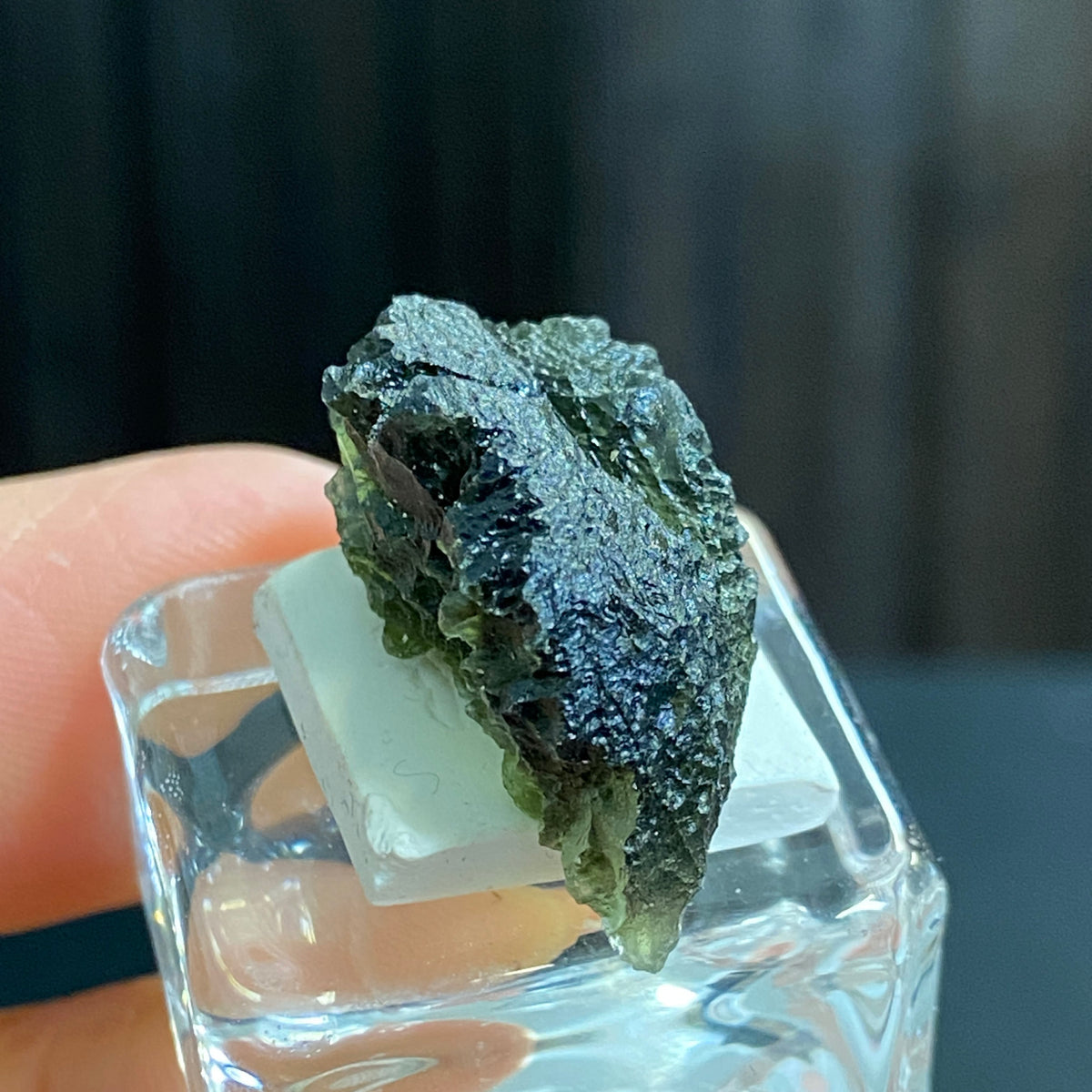
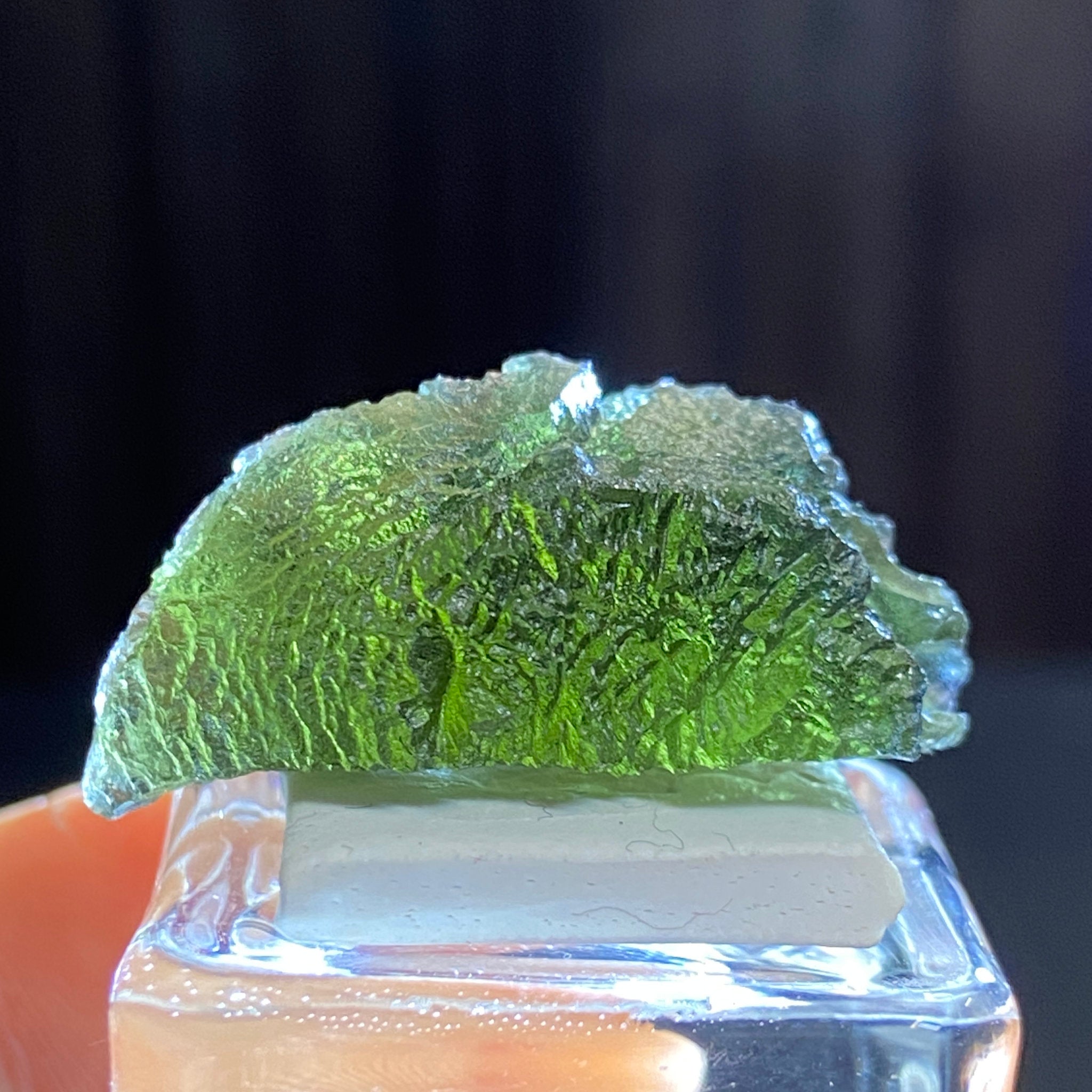
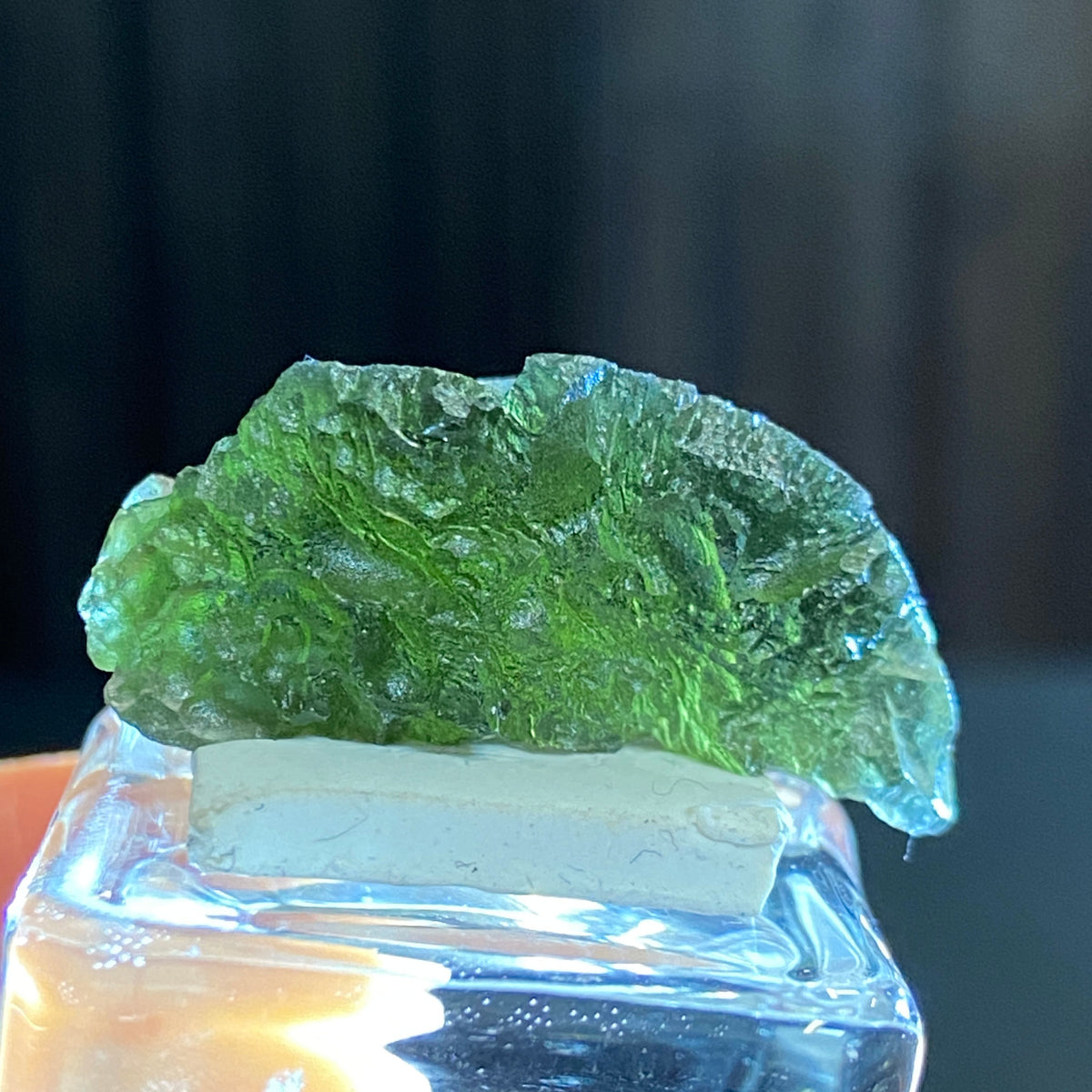
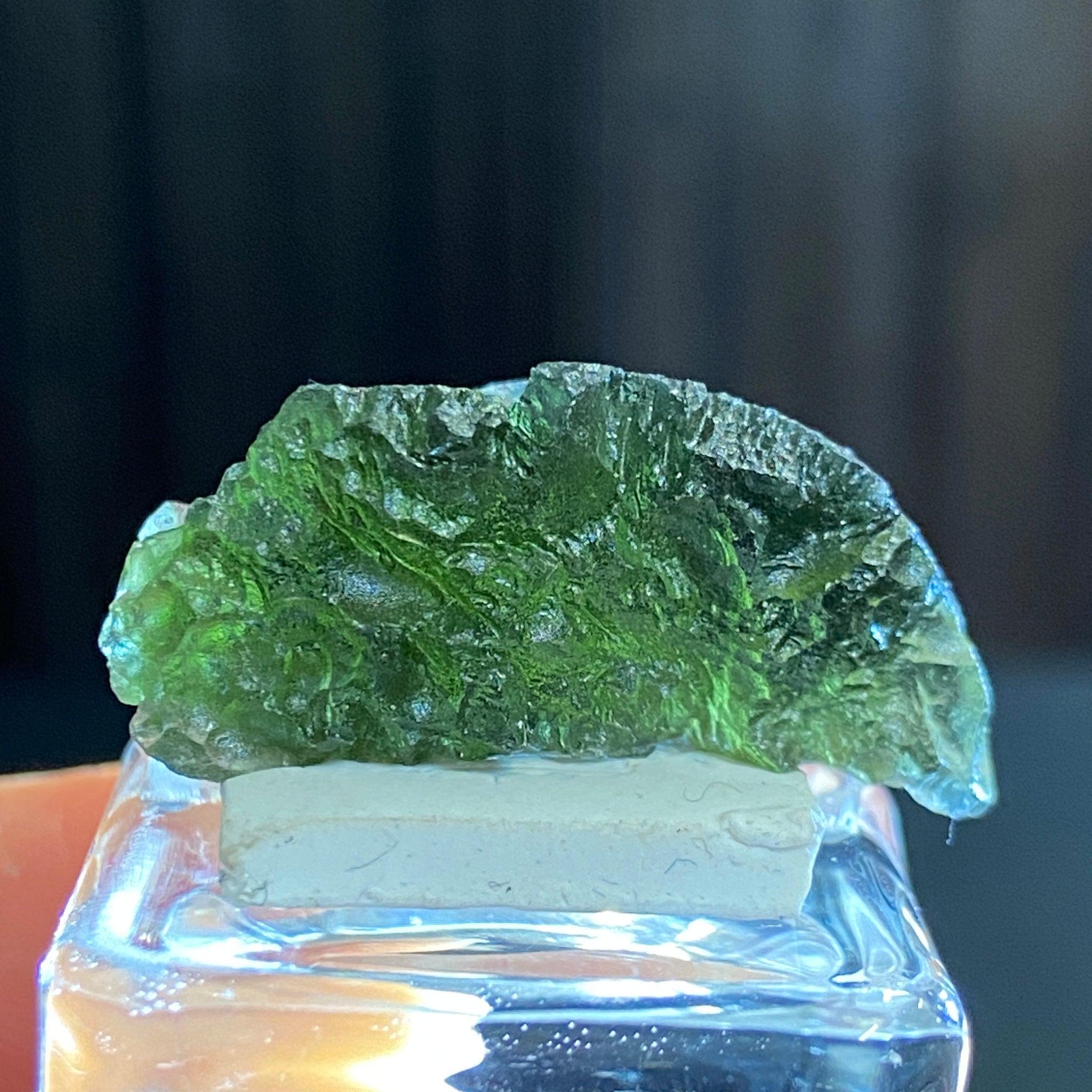
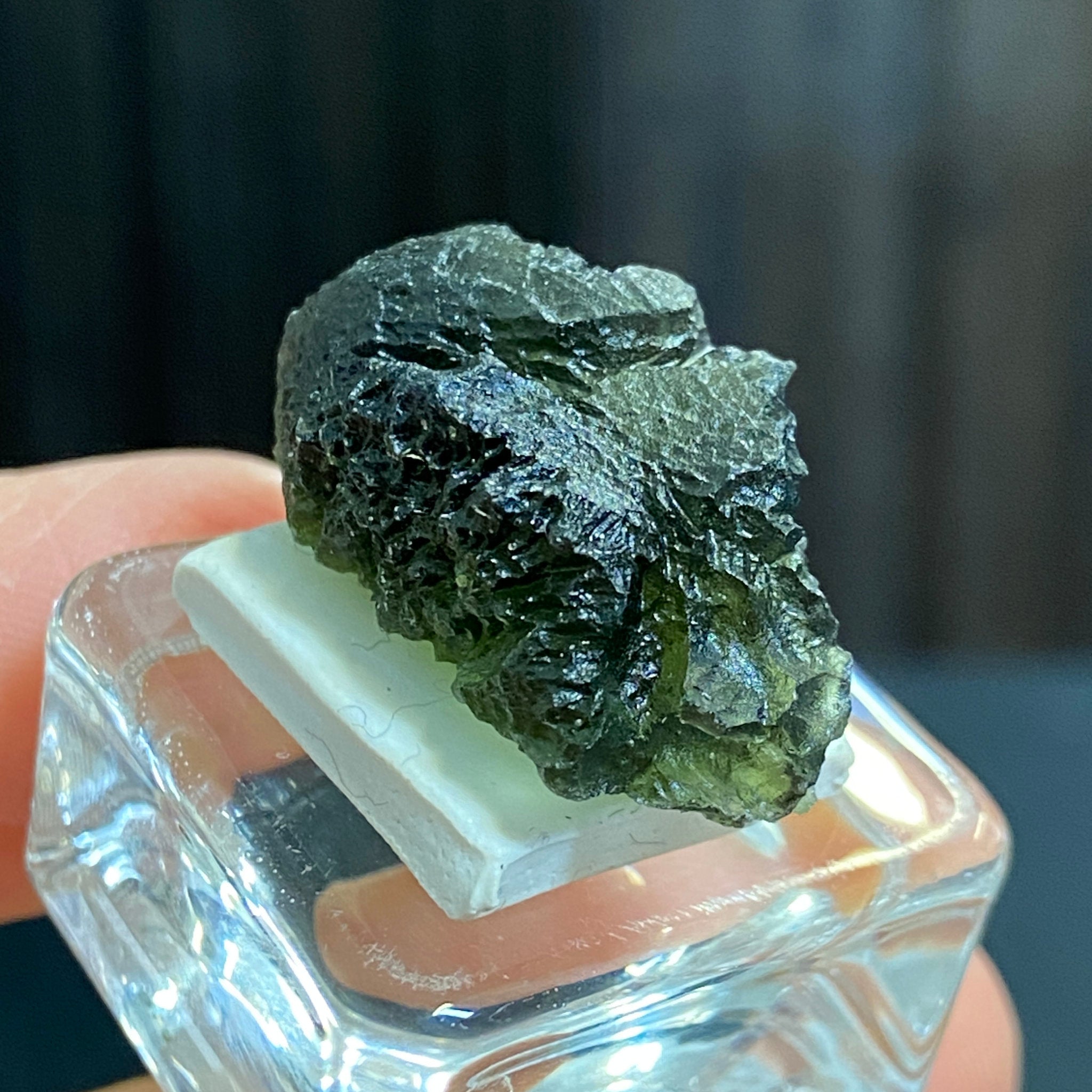
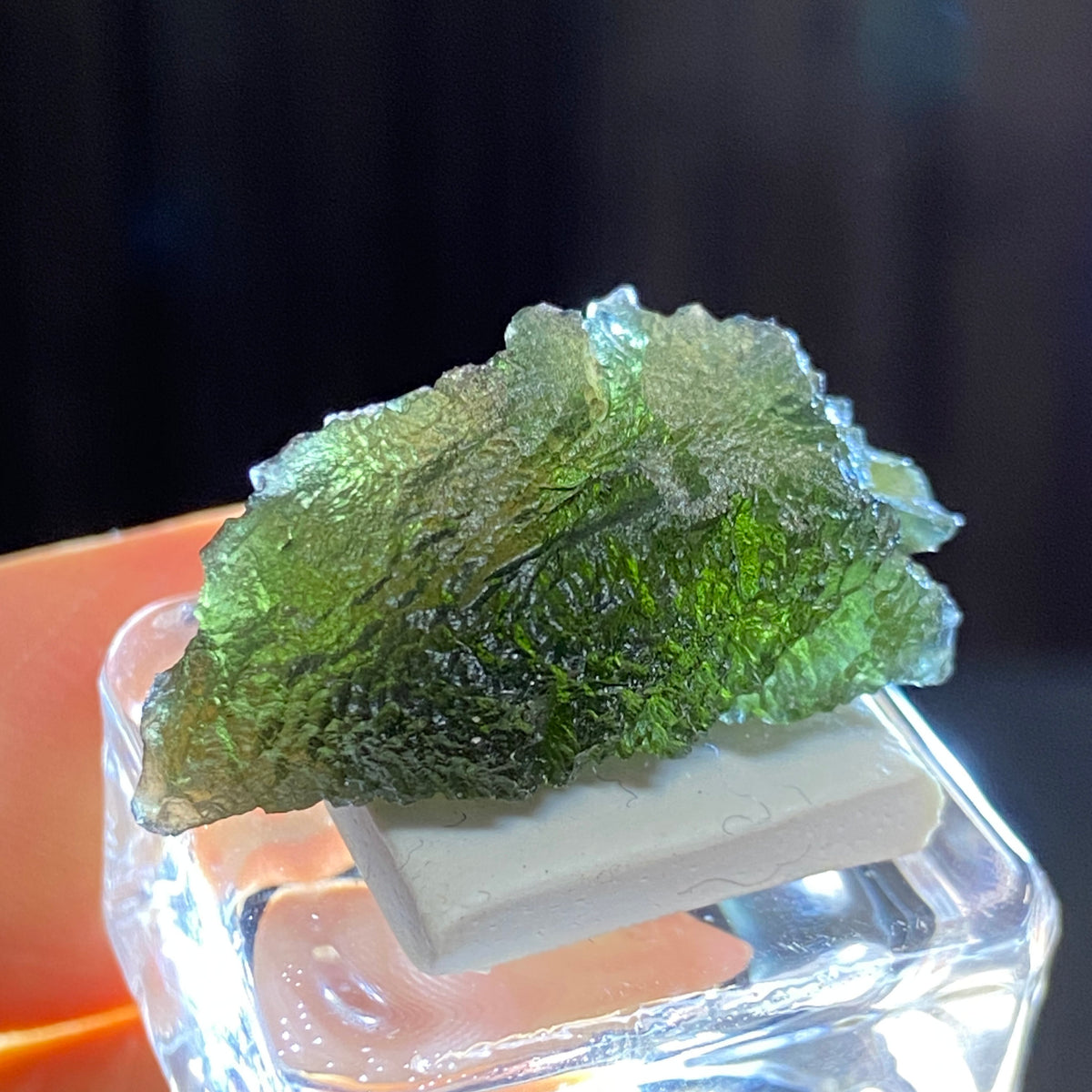
Slavče Moldavite – South Bohemia, Czech Republic
Slavče Moldavite – South Bohemia, Czech Republic
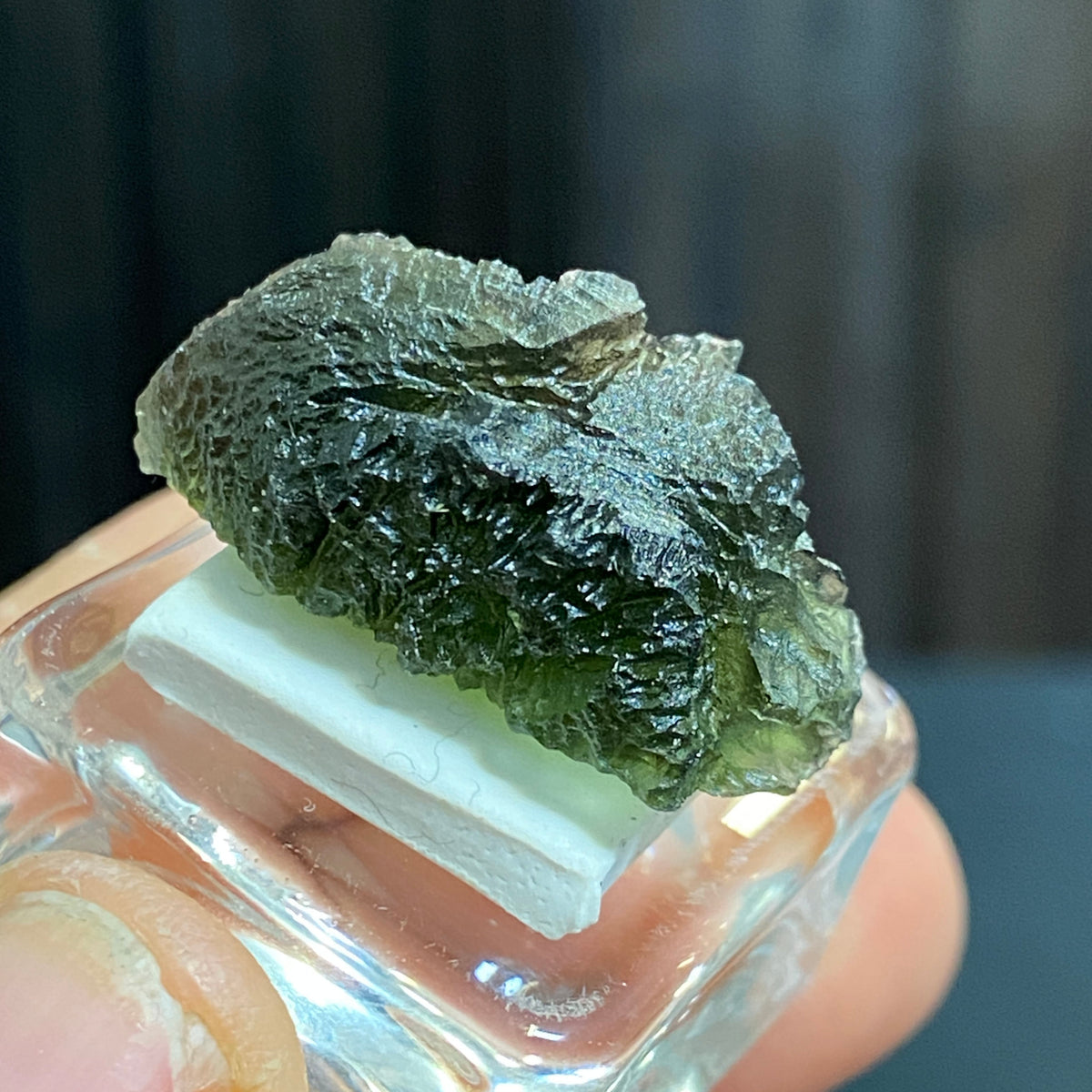
Genuine Moldavite from the well-known Slavče locality
This natural Moldavite comes from Slavče, pronounced “Slav-cheh”, in the South Bohemian Region of the Czech Republic. The locality is also commonly listed as Slavče u Trhových Svinů and lies around 5km south of the town of Trhové Sviny.
I've found a direct source for these pieces, cutting out the middlemen and allowing me to offer them at a much more affordable price. Moldavite of this quality and known locality has previously been priced at around £22 to £25 per gram. These pieces are priced at £18 per gram, making them a genuine bargain. All of these pieces are damage free.
Size: Approx. 3 x 1.5 x 1cm
Weight: 5.3g
Origin: Slavče, South Bohemia, Czech Republic
Classification: Natural tektite / impact glass
Price: £18 per gram
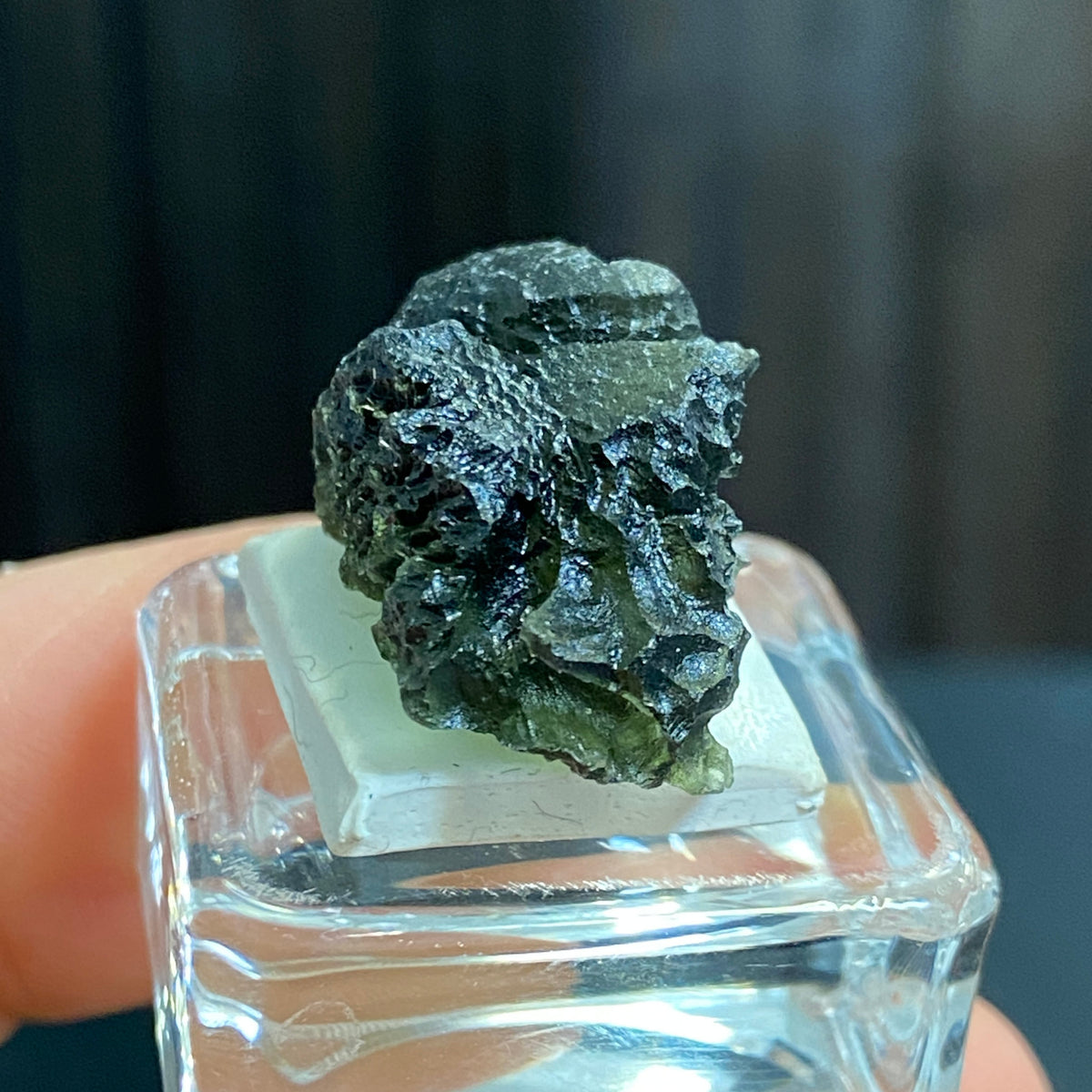
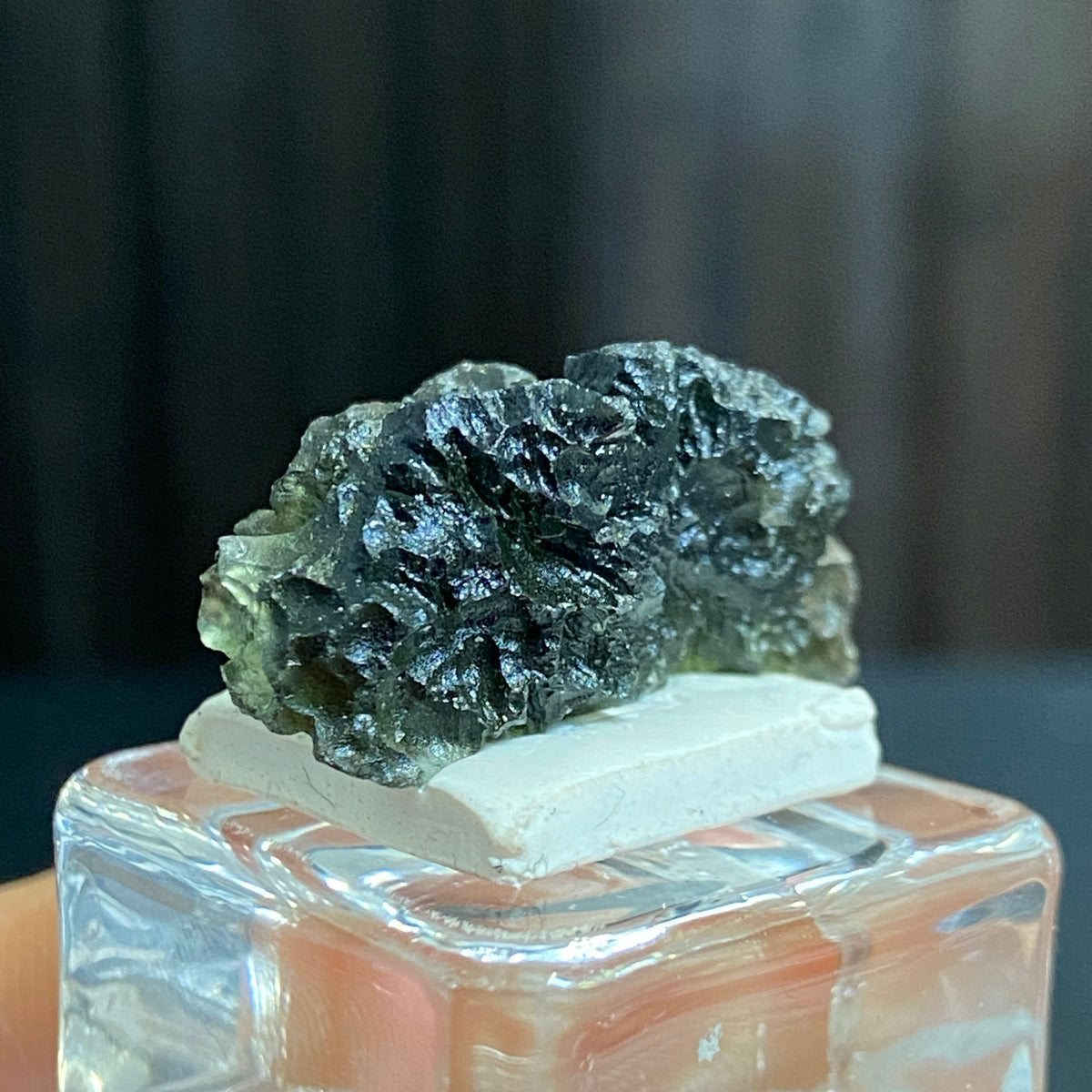
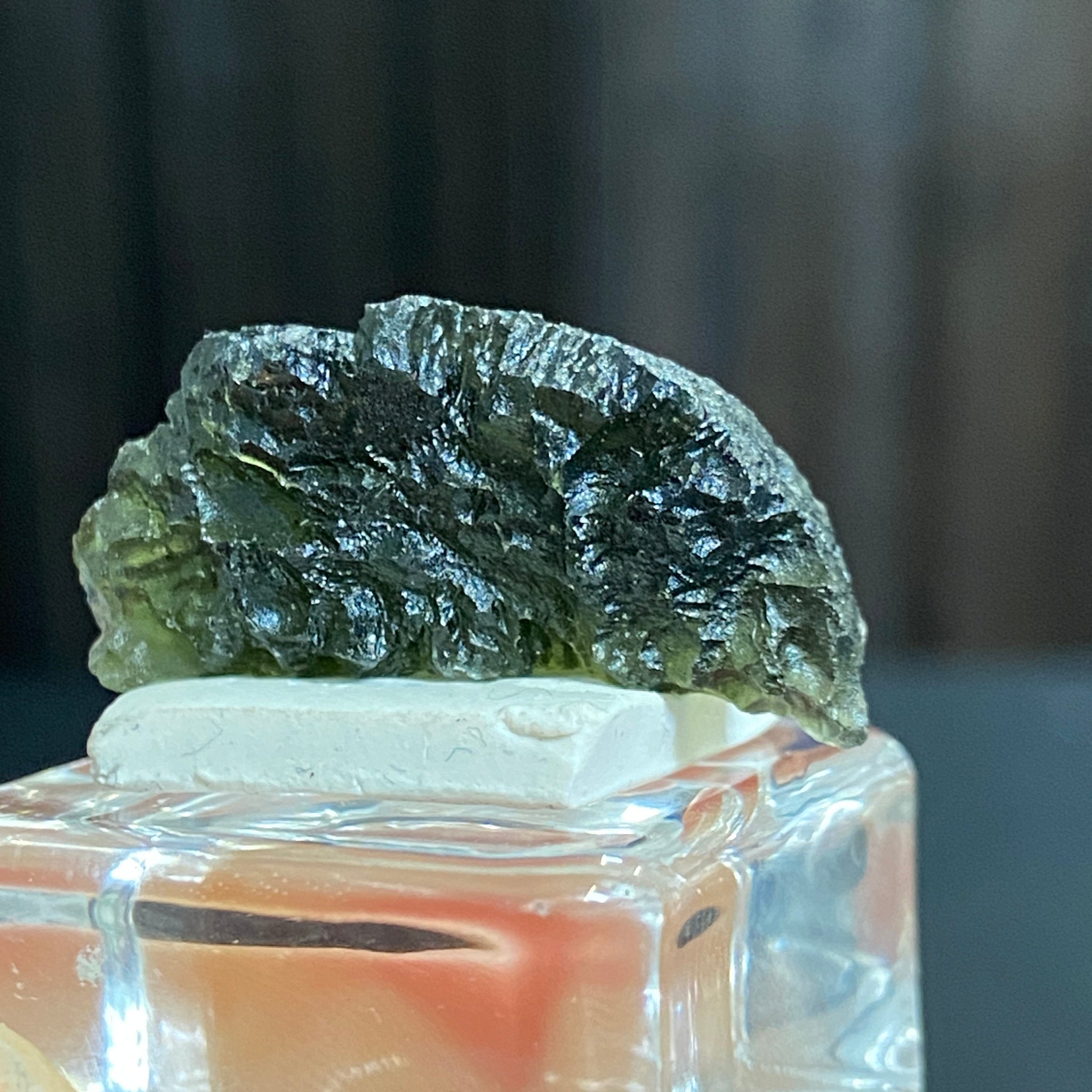
You will receive the exact piece shown
About Slavče Moldavite
Slavče is a recognised Moldavite locality in the České Budějovice District of South Bohemia. Material from this area is sought after by collectors for its range of green colours and detailed natural surface texture.
Slavče Moldavite is particularly associated with:
• Bright and saturated green colouring
• Apple-green, olive-green and lighter green shades
• Good translucency, particularly when held to a strong light
• Fine, closely spaced surface pitting
• Shallow grooves and detailed natural sculpting
• A generally less jagged surface than the well-known Besednice “hedgehog” material
Moldavite from the Slavče area has traditionally been recovered from agricultural fields and local sediment deposits surrounding the village. The appearance of each piece depends on the conditions in which it was deposited and the length of time it remained in contact with the surrounding soil, minerals and groundwater.
How Moldavite Formed
Moldavite is a natural tektite, a type of impact glass formed approximately 14.8 million years ago during the meteorite impact that created the Nördlinger Ries crater in southern Germany.
The extreme heat and pressure of the impact melted silica-rich surface material and projected it high into the atmosphere. The molten material cooled into natural glass before landing across parts of what are now the Czech Republic, Germany and Austria. South Bohemia contains the best-known and most productive part of this Moldavite distribution area.
Moldavite is connected to a meteorite impact, but it is not a fragment of the meteorite itself. It formed mainly from terrestrial material melted and displaced during the impact.
What Is Moldavite Made From?
Moldavite is a silica-rich natural glass. It is often grouped with crystals in the trade, but it is not technically a crystal or mineral because it does not have an ordered crystalline structure.
Its composition commonly includes:
• Silicon dioxide
• Aluminium oxide
• Smaller amounts of iron, magnesium, calcium, potassium and other elements
• Microscopic bubbles and internal flow structures formed while the glass was molten
Moldavite can range from transparent to opaque, with colours including pale yellow-green, apple-green, olive, forest green and deep green-brown. Its colour is affected by chemical composition, thickness and locality.
Natural Surface Texture
The grooves, pits and ridges found on Moldavite are natural. After the glass formed, long-term exposure to groundwater, minerals and naturally occurring acids within the sediment gradually etched its surface.
The type of sediment surrounding a piece affects the finished texture. This is one reason Moldavite from different localities can have noticeably different forms and surface details.
Metaphysical Properties
Within modern crystal healing, Moldavite is associated with rapid personal change, spiritual development and increased self-awareness. Its energy is often described as strong and direct.
It is traditionally used for:
• Supporting change and helping to release old patterns
• Bringing thoughts, feelings and unresolved issues into awareness
• Encouraging spiritual development and a broader perspective
• Supporting meditation, intuition and self-reflection
• Helping the user identify areas of life that may need attention
• Combining with other stones during meditation or crystal work
Some people report warmth, tingling, pressure or a sudden rush when first holding Moldavite. This is commonly called the “Moldavite flush”. Others feel little or nothing physically. Both responses are normal, and starting with short periods of use may be helpful for anyone unfamiliar with Moldavite.
Chakra Healing
Heart Chakra: Associated with emotional honesty, release and personal change.
Crown Chakra: Used to support meditation, awareness and spiritual connection.
Third Eye Chakra: Linked with intuition, insight and recognising personal patterns.
Ways to Use
• Hold during meditation or quiet reflection
• Carry for short periods while becoming accustomed to it
• Pair with grounding stones such as Smoky Quartz, Black Tourmaline or Hematite
• Add to a crystal grid focused on change, clarity or personal development
• Display safely as a natural geological collectable
• Hold against a strong light to examine its colour, translucency and internal structure
Care Information
Moldavite is natural glass and can chip or fracture if dropped onto a hard surface.
Perfect for:
• Collectors seeking locality-specific Slavče Moldavite
• Those interested in natural tektites and impact glass
• Meditation and spiritual development
• Working with change, reflection and new direction
• Anyone looking for genuine Czech Moldavite at an unusually affordable price
Choose options