Finding Balance: A Holistic Guide to Menopause, Mindfulness, and Crystal Healing
Introduction – Why This Matters
Menopause is one of the most profound transitions a woman can experience. It touches identity, energy, relationships, and the rhythm of everyday life. For some, it unfolds gently over time. For others, it arrives abruptly and the body and mind feel out of step.
Menopause is not only about hormones. It is about how you feel in your skin, how you rest, how you think, and how you care for yourself when everything is shifting. Whether your experience is natural, early, or medically induced, your path is valid and deeply personal.
I have walked this road twice. The first time came early and naturally at forty-one. The second followed cancer treatment. Living through both taught me that no two journeys are the same and that healing is rarely linear.
This guide blends practical care with spiritual steadiness. It offers gentle tools to help you find your centre, using mindfulness, emotional support, and the grounding influence of crystal therapy.
A Personal Note
Before we go any further, I want to speak plainly. What follows is not softened or dressed up to make menopause sound easier than it is. For many women, it can be one of the hardest seasons of life. For those who have faced cancer and its treatments, it can feel almost impossible. These words come from my own experience, written with honesty and compassion, because pretending it is anything less than brutal does a disservice to every woman living through it.
Table of Content
“The body whispers before it shouts. Learning to listen is where real healing begins.” – Tanya Atkins
2. Understanding the menopause journey
Menopause can change everything. It is not just about hormones or hot flushes. It is about how those changes ripple through every part of your life. For some, it arrives quietly and builds slowly. For others, it arrives like a hurricane that does not pass.
The symptoms are relentless and, for many, overwhelming. Exhaustion, night sweats, anxiety, weight changes, aching joints, and brain fog become daily companions. The joint pain alone can be life-altering. It can make you feel trapped inside your own body, unable to move freely or do the simple things you once took for granted. For some, walking, working, or even sleeping comfortably becomes a challenge.

Then there is the mental side. The anxiety, depression, rage, and emotional instability can feel like mental torture. Many women describe feeling like strangers in their own skin. Relationships often suffer. Some end altogether. Communication breaks down because it can be hard to explain what is happening when even you do not fully understand it yourself. It affects partners, friendships, and family dynamics. The smallest things can feel unbearable.
And then there is the brain fog. It is more than forgetfulness. It is a deep cognitive confusion, as though your mind has slowed or switched off. For those who have also gone through chemotherapy, the effect can be devastating. The combination of chemo brain and menopause can make you feel like your brain has died. The frustration, fear, and embarrassment that come with it can break confidence and self-esteem.
For some of us, those cognitive changes do not fully lift. I often describe mine as a kind of brain damage. My short-term memory has never been the same since chemotherapy and the hormone blockers. Words can slip away mid-sentence, and sometimes I struggle to express thoughts verbally. It can be distressing and isolating, especially when you once relied on clarity and communication in your work. I navigate it now through mindfulness, slowing down, and giving myself permission to pause before I speak.
For those navigating menopause after cancer, the experience can feel like an assault on every part of your being. The body is already carrying trauma from diagnosis, surgery, and treatment. Hormone-blocking drugs such as Tamoxifen, Letrozole, Exemestane, and Anastrozole strip oestrogen rapidly, leaving the body in shock. The fatigue deepens, the pain intensifies, and the emotional exhaustion becomes harder to hide. It is a form of survival that few understand unless they have lived it.
I know what that darkness feels like. There were mornings when I would wake and stare at the ceiling, wondering how I was supposed to keep going. My body felt heavy, my mind foggy, and my emotions raw. I did not recognise myself. There were days when I could not move without pain and nights when sleep would not come, no matter how tired I was. I lost patience, I lost confidence, and at times I lost hope.
This is the truth that often goes unspoken. Menopause can dismantle the person you once were. Yet within that loss, there is also the possibility of rebuilding. Slowly, sometimes painfully, you begin to rediscover who you are now. It does not happen quickly, and it rarely happens neatly, but it does happen.
Menopause and Cancer: A Compassionate Perspective

Talking therapy and emotional care
As an integrative psychotherapist (FdA, MBACP), I am a big advocate for talking therapy. I have seen first-hand how menopause affects both the body and the mind. It is more than a hormonal shift; it is an identity shift. Everything that once felt certain can start to blur... energy, confidence, patience, and self-belief.
Many women feel isolated by this change. They are told to “stay positive,” to “get on with it,” or to “just take HRT,” as though that alone could mend what feels broken. Yet the emotional impact runs much deeper. Menopause can awaken buried grief, resentment, fear, or unprocessed trauma. It strips away distractions and exposes what has long been carried beneath the surface.

Talking therapy creates a safe space to explore these feelings without judgement or pressure. It allows you to understand what is happening inside you and to rebuild trust in yourself. Through therapy, you can begin to reconnect with your body, make sense of your emotions, and find ways to regulate the nervous system when it feels overloaded.
Therapy can help. Whilst it won't erase the experience, but it can bring clarity and calm where confusion once lived. For many women, this is life-changing. Therapy can quietly anchor you to help navigate the hardest days.
If therapy feels out of reach, begin with conversation. Speak with a friend, partner, or someone who can listen without trying to fix you. Being heard is healing in itself.

For women who have lived through cancer, menopause can feel like being thrown into another battle just when you are about coming to terms with the cancer diagnosis. The body is already marked by surgery, fatigue, and the emotional weight of survival. Then comes the hormonal crash... a loss of oestrogen so sudden and complete that it can feel as though the ground has been pulled from beneath you.
Medications such as Tamoxifen, Letrozole, Exemestane, and Anastrozole are vital for keeping hormone-sensitive cancers from returning. Yet their side effects can be severe. They strip away the very hormones that once supported sleep, bone health, emotional balance, and a sense of vitality. The result is often intense pain, hot flushes, brain fog, and emotional exhaustion that can make even the simplest day feel impossible.
For some, it also changes how they see themselves. Scars, weight changes, and chronic pain can create distance from the person they used to be. There is a deep grief that comes with this, not just for what was lost, but for what might never return. It is an invisible pain that few truly understand.
You are not broken. You are living in a body that has survived unimaginable trauma. Healing after cancer is not about going back to how things were; it is about finding a new balance in a landscape that has changed. Be patient with yourself. There is no rush to “move on.” Survival is an achievement in itself.
If this is your experience, please know that you are not alone. Reach out, speak to others, and connect with those who understand the path you are walking. Support is medicine too.
There is one place that helped me feel heard, seen and understood. An incredible organistaion called Menopuase and Cancer. I highly recommend you visit, you can find them HERE
Morning and evening practices
When your body feels unpredictable, small acts of care can restore a sense of rhythm. These practices are not routines to strive for but gentle invitations to pause, breathe, and reconnect.
Morning
Start by letting in light. Open a window or stand outside for a few moments, even if the air is cool. Fresh air signals the body to wake and helps regulate the sleep-wake cycle.
Hold a Carnelian or Sunstone and take a slow breath. Let your mind focus on the warmth of the crystal. Set a simple intention for the day, something small and kind like “I will move gently” or “I will give myself time.”
If you enjoy scent, try a grounding essential oil such as cedar wood, orange, or frankincense to support focus and calm.
Evening
The body needs time to unwind before rest. Lower the lights an hour before bed. Let the day slow down. Keep Celestite, Howlite, or Mangano Calcite near your bedside. Their soft energy can help the mind release what it no longer needs to hold.
If your thoughts begin to circle, breathe deeply and imagine each one dissolving into the crystal beside you. Play soft music if silence feels heavy. This quiet time tells the body that it is safe to rest.
“Owning our story and loving ourselves through that process is the bravest thing that we’ll ever do.”
3. Crystal therapy for symptom support
Crystal therapy is a gentle, intuitive way to support yourself through change. It does not replace medical care. It can sit alongside it as a daily practice that reconnects you with your body, calms the nervous system, and offers moments of focus and quiet when everything feels unsettled.
Each crystal carries its own rhythm and energy. Some bring calm, others uplift or ground. The key is to work with them slowly and intentionally, choosing those that resonate with what you need most.
For me, crystals became something steady to hold onto when everything else felt uncertain. They helped me stay calm and gave my mind a place to rest when my thoughts were racing. Holding a crystal or simply sitting with one in my hand shifted my focus away from pain or fear and back to the present moment. Over time, that simple act became an anchor, a way of coming home to myself when the world felt chaotic

Soothing acute heat

Heat, restlessness, and sudden flushes can be exhausting. In Traditional Chinese Medicine, this inner heat is seen as a sign of imbalance. The body’s cooling system struggles to regulate itself, leaving you uncomfortable and irritable.
It is not only physical heat that builds. Unspoken feelings such as anger, frustration, or sadness add to the intensity. When emotions stay trapped inside, the body often becomes the place they surface. Allowing yourself to release through movement, breath, or gentle expression can begin to cool that inner fire.
Crystals with soft, cooling energy can help to soothe both body and mind.
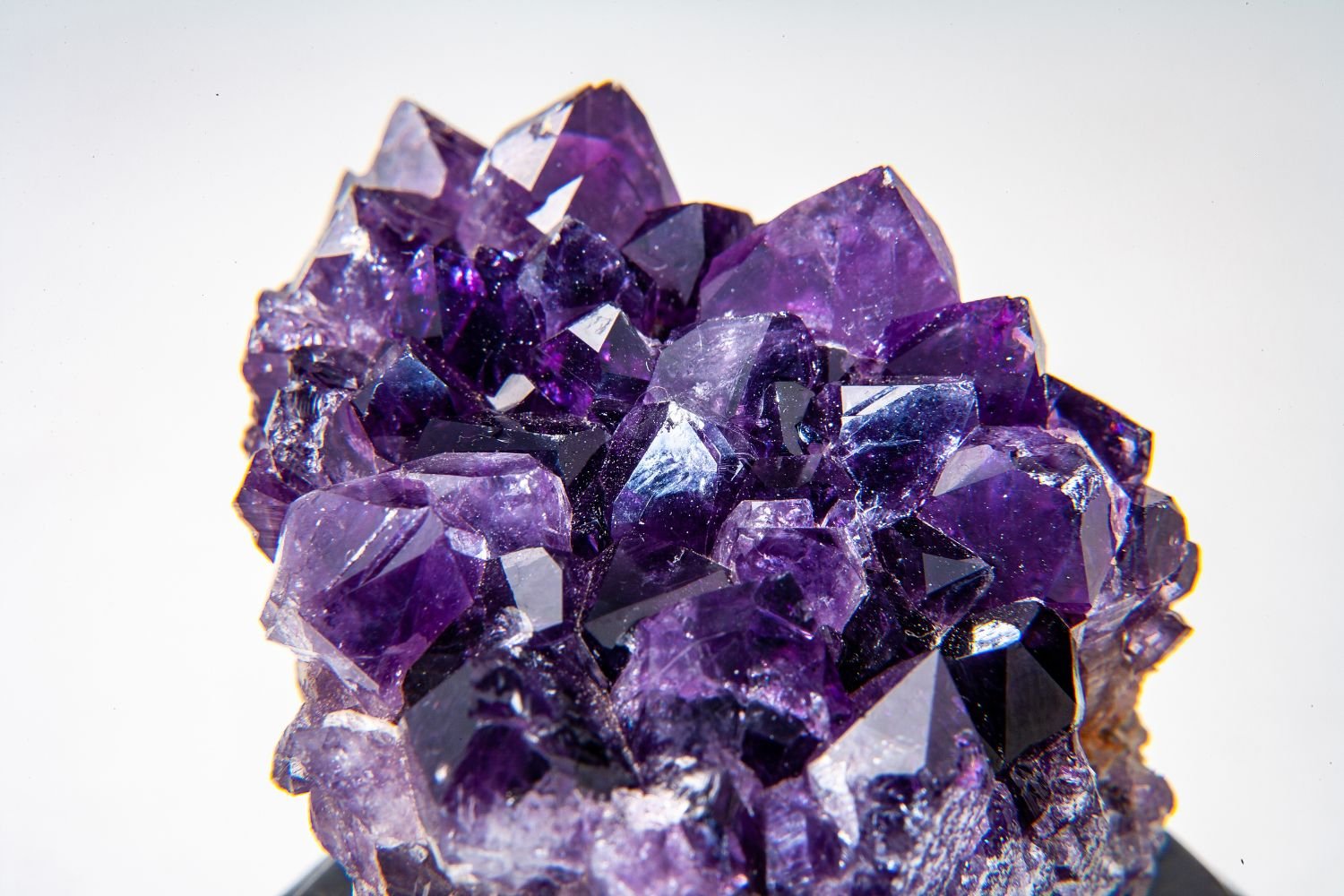
Amethyst — Tranquil and protective. Helps regulate emotional temperature, calm the nervous system, and quiet mental restlessness.
Citrine — Warm yet harmonising. Encourages lightness and positivity when fatigue or irritability follow disturbed sleep.
Blue Lace Agate — Cooling and nurturing. Helps to ease both physical heat and emotional tension. Also supports communication when words feel stuck or emotions are difficult to express.
Aquamarine — Like water in crystal form, it promotes calm, clarity, and inner cool. Useful when anger or overstimulation rise to the surface.
Place the Aqua and the Blue Lace Agate in the fridge! Perfect for resting on the temples when things get HOT!
Grounding anxiety and mood

Hormonal shifts can bring waves of emotion that seem to appear without reason. Anxiety, low mood, or a sense of instability are common. These changes can be frightening when they make you feel detached from who you were. Many women lose confidence in their decision-making and feel unable to explain what is happening.
Crystals that promote grounding and emotional balance can help release tension and reconnect you to a sense of safety in your body.
Anxiety and sleep are closely linked. When your nervous system stays in a constant state of alertness, true rest becomes hard to reach. Working with grounding crystals in the evening can help your body recognise that it is safe to relax.
Lepidolite — Naturally rich in lithium. Soothes overstimulation, supports calm reflection, and softens emotional stress.
Rose Quartz — Encourages compassion and forgiveness. Reminds you to treat yourself gently and to keep your heart open to small joys.
Hematite — Solid and steady. Brings energy down from the mind into the body, helping thoughts and emotions feel more contained.
Hold Lepidolite or Hematite in your palm when anxiety peaks, breathing slowly until you sense a little more steadiness. Keep Rose Quartz close by as a symbol of care and softness. If writing helps, keep one of these crystals near your journal to anchor you as emotions unfold on the page.
Promoting restful sleep

Sleep disruption is one of the most challenging parts of menopause. Even when you manage to fall asleep, staying asleep can feel impossible. The combination of night sweats, fluctuating temperature, anxiety, and looping thoughts often leads to long, restless nights. Over time, this exhaustion drains not only the body but also the spirit.
The mind, too, can become noisy at night. Thoughts replay, plans form, worries rise, and the more you try to switch off, the more awake you become. True rest begins when the body and mind remember they are safe enough to let go.
Crystals that hold soft, tranquil energy can support that process, helping to quiet the mind and ease tension.
.
Celestite — A crystal of stillness and serenity. Its soft blue tone encourages deep relaxation and connection to peace. Celestite helps release mental pressure and promotes gentle, restorative rest.
Sodalite — Clears mental clutter and supports emotional balance. Particularly useful if your mind tends to overanalyse at night. It helps you feel calm and reassured, allowing thoughts to slow before sleep.
Howlite — Eases physical and emotional tension. Ideal for those whose insomnia is fuelled by anxiety or restlessness. Its steady vibration reminds the body to soften and the mind to quieten.
Mangano Calcite — A nurturing crystal that comforts the heart and soothes emotional pain. Helps release sadness or loneliness that may surface when the night feels long.
Keep one or two of these crystals close to where you sleep. Place Howlite or Celestite beneath your pillow, or keep Sodalite and Mangano Calcite on your bedside table. As you prepare for rest, take a few deep breaths while holding a crystal in your hand. Feel its cool surface and allow your body to match that calm. If your mind starts to wander, silently repeat, “I am safe, I am calm, I am ready to rest.
Boosting vitality and energy

Fatigue can linger long after other symptoms ease. It is not simply tiredness; it can feel like the body has lost its spark.
For those recovering from treatment or adjusting to hormonal changes, this weariness can become all-encompassing.
Energy is more than movement or motivation. It is how life moves through you. When it slows, your body is asking for care, not criticism. Working gently with energising crystals can help encourage flow and clarity without forcing momentum.
Moonstone — Balances cycles and supports emotional rhythm. Encourages you to follow natural patterns of energy and rest.
Carnelian — Invites motivation and passion. Helps reignite creativity and the drive to re-engage with life.
Sunstone — Bright and positive. Lifts mood and promotes warmth and optimism when fatigue leads to emotional heaviness.
Golden Healer Quartz — Restorative and cleansing. Clears stagnation and supports gentle renewal of life force.
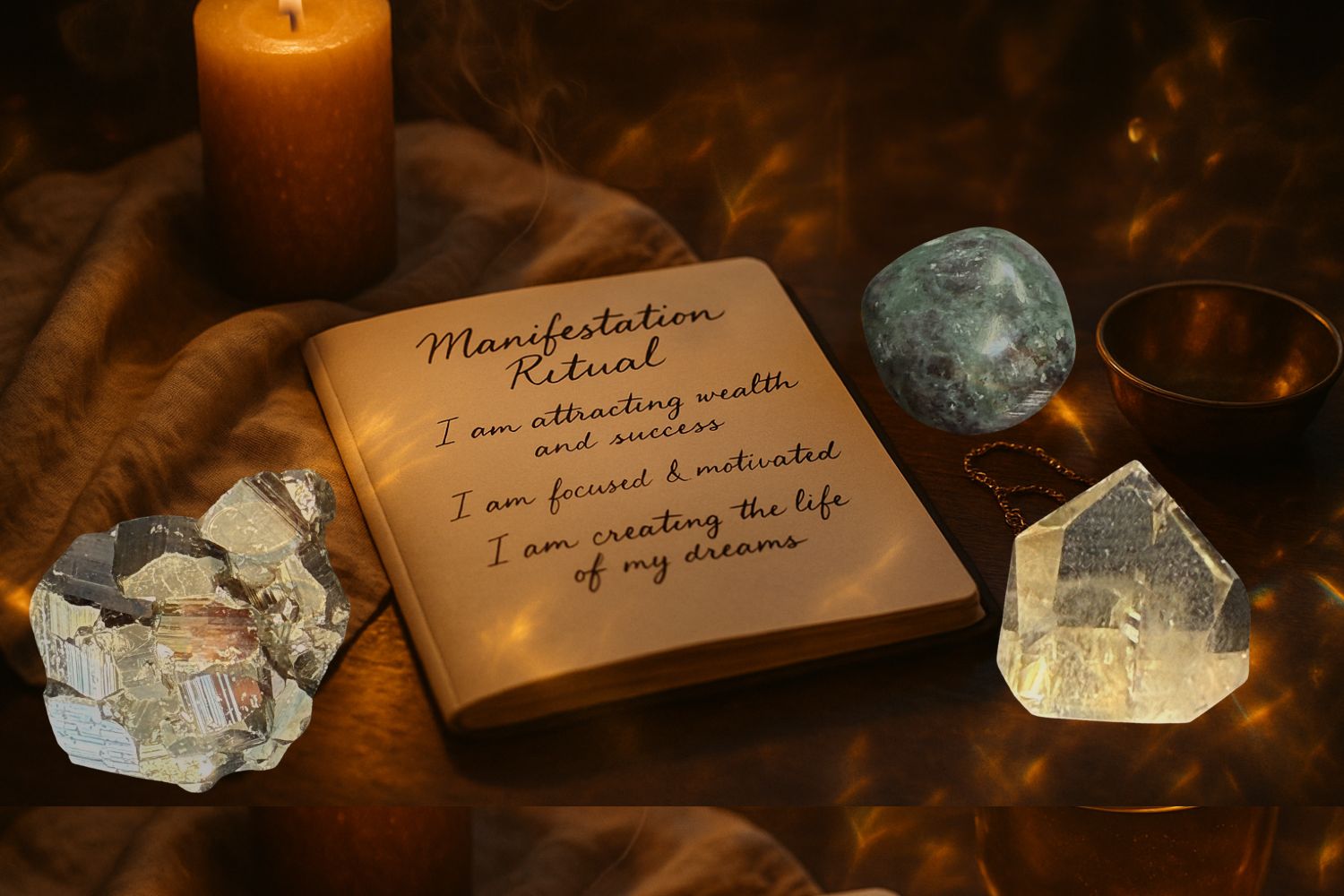
In the morning, hold Carnelian or Sunstone for a few breaths before beginning the day. Set one simple, achievable intention such as “I will move gently through what matters most.”
Wear Moonstone close to your heart to remind you to balance effort with ease. When you feel depleted, sit quietly with Golden Healer Quartz and imagine light moving through your body, re-awakening what feels still.
Closing – Rising from the Ashes
Menopause, in any form, changes the way you live inside your body. It can be frightening, exhausting, and life-altering, but it can also be a beginning. When everything familiar has fallen away and the rhythm of life no longer feels like your own, you are left facing something raw and unfiltered. Yourself.
Truly meeting yourself again is not easy. It is not a graceful awakening or a sudden moment of clarity. It can feel uncomfortable, confronting, and at times unbearable. The woman you once were may feel lost, and the person you are becoming may still be taking shape. Yet somewhere within that space between loss and renewal, something begins to stir.
From those ashes, a spark returns. It is faint at first, a small pulse of life that reminds you there is still something inside that wants to rise. This is the way of the Phoenix. She does not soar straight from the flames. She rebuilds slowly and tenderly through the debris of what was. She learns to trust herself again, to breathe, to exist in her new form without needing to be who she once was.
Crystal therapy, mindfulness, and talking therapy can all play a part in this rebuilding. They do not fix or erase the pain, but they hold space for it. They remind you that strength is not about endurance alone but about honesty, allowing yourself to say, "This is hard," and still showing up for the next breath.
Menopause, like fire, transforms. What is burned away was never meant to last. What remains is truth, and from that truth, life begins again.
Becoming
By Tanya Atkins
There is a silence that follows the fire,
a stillness between who you were
and who you are learning to be.
The ashes cool,
and in their softness
you find what was worth keeping.
Not all that burned was loss.
Some things needed to fall away
so that you could breathe again.
The rising is not sudden.
It comes in slow embers,
in mornings you thought you could not face,
in the steady return of light to your eyes.
The Phoenix does not rise unchanged.
She carries the memory of flame
in every feather she wears.
Her power is not in her flight
but in her decision to rise at all.
You are that fire,
and you are the light that comes after it.


The Author: Tanya Atkins FdA, MBCAP
Tanya Atkins has been working with, studying, and selling crystals for many moons. A qualified integrative psychotherapist and energy therapist specialising in crystal therapy, she weaves together years of experience in both the energetic and therapeutic realms. Through her business, Castle Rocks Cornwall, Tanya combines grounded knowledge with intuitive practice, helping others connect more deeply with themselves and the natural world through the power of crystals.
Products Featured In This Blog
Frequently Asked Questions
Can I use crystal therapy if I’m taking medication or undergoing cancer treatment?
Yes, you can. Crystal therapy works through energy and intention rather than chemistry, so it is safe to use alongside medical treatments. It should always be seen as complementary, not a replacement for medical advice. If you are unsure, speak with your GP or oncology team before introducing new practices into your routine.
I don’t always feel anything when I hold a crystal. Does that mean it’s not working?
Not at all. Crystals are not about instant sensations or visible results. Their purpose is to help you slow down, reconnect, and become more mindful. The calm or clarity you feel after spending time with a crystal is often subtle, a quiet shift rather than a dramatic one.
How do I choose the right crystal for my symptoms or emotions?
Start with how a crystal makes you feel when you look at it or hold it. Often, the one you are drawn to visually is the one your energy needs most. You can also choose by intention, for example, Blue Lace Agate for cooling emotional heat, Rose Quartz for self-compassion, or Moonstone for balance and renewal.
Can crystal therapy really help with anxiety, sleep, and fatigue?
It can support them gently, yes. Crystals encourage mindfulness, which helps regulate the nervous system and create a sense of safety in the body. When used with good sleep habits, talking therapy, and healthy lifestyle choices, they can become part of a balanced approach to emotional and physical wellbeing
What is the best way to start using crystals in daily life?
Begin simply. Keep one or two crystals in places you see often, such as your bedside or workspace. Hold them during moments of overwhelm or reflection. You don’t need complex rituals, just quiet intention. The act of pausing to connect is often the most powerful part.